Last Updated on: 2nd December 2025, 01:29 pm
The rise of solar technology has brought homeowners more options than ever for harnessing clean energy. Among these options, solar shingles and traditional solar panels stand out as popular solutions, each with its unique strengths and trade-offs. Deciding between these two can be confusing, especially when balancing aesthetics, efficiency, cost, and installation considerations.
If you’re thinking about going solar, understanding how solar shingles compare to traditional panels will help you make an informed decision that fits your home’s style, energy needs, and budget.
 {.alignnone}
What Are Solar Shingles?
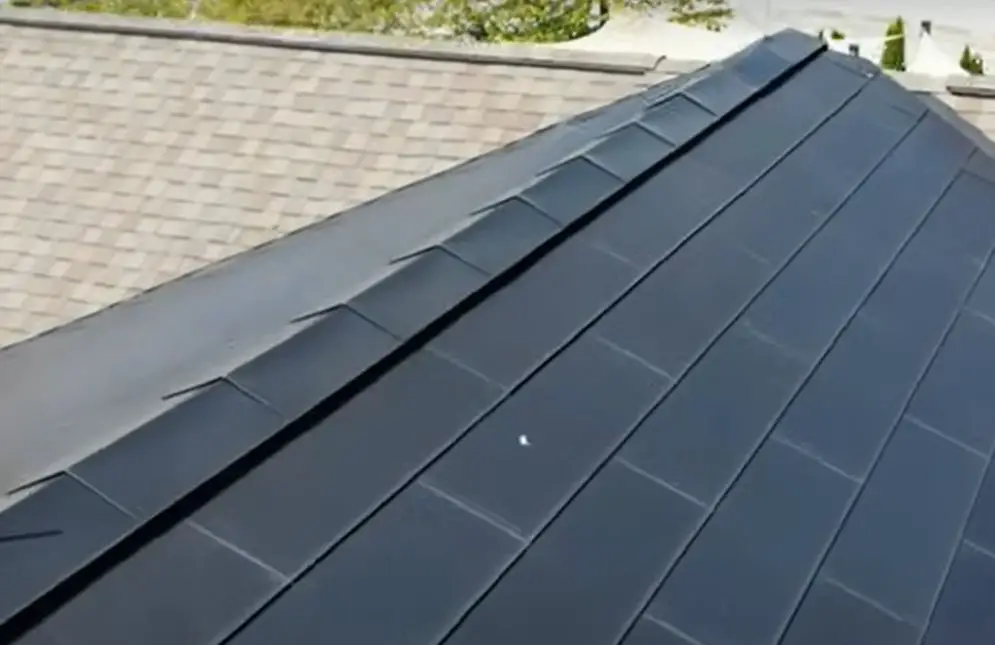
Solar shingles, also known as photovoltaic (PV) shingles, are thin, solar cells integrated directly into roofing shingles or tiles. Installed seamlessly alongside traditional roofing materials, they perform the dual role of weather protection and electricity generation. Solar shingles aim to blend in with your roof, offering a low-profile alternative to bulky solar panels.
What Are Traditional Solar Panels?
Traditional solar panels consist of framed photovoltaic modules mounted above the existing roof surface, usually tilted on racks to optimize sunlight exposure. They are the most common form of residential solar energy systems and are widely used due to their proven efficiency and relative affordability.
Efficiency and Energy Production
Traditional solar panels generally have higher efficiency rating, often between 18% to 22%, meaning they convert more sunlight into electricity compared to most solar shingles. This translates to greater energy output per square foot, making traditional panels more effective on roofs with limited space.
Solar shingles tend to have lower efficiencies, typically around 12% to 15%, because of their integrated design and aesthetic compromises. For this reason, they may require more roof area to produce equivalent power.
Aesthetic and Design Considerations
One of the biggest appeals of solar shingles is their subtle, integrated look. Unlike traditional panels that sit prominently on top of the roof, shingles blend with your existing roofing, preserving architectural style and curb appeal.
Traditional panels are more visible and can sometimes clash with roof designs, but many homeowners embrace this as a clear statement of their commitment to sustainability.
Installation Complexity and Cost
Solar shingles involve a more complex installation process since they replace standard shingles and require precise integration with roofing systems. This complexity generally means higher installation costs, often 2 to 3 times more per watt than traditional panels.
Traditional solar panels are typically faster and easier to install, with established installation practices and competitive pricing. They also allow for easier upgrades or repairs by simply replacing individual panels.
Durability and Maintenance
Solar shingles serve as the roof’s primary weather barrier and must meet roofing durability standards. They are designed to withstand weather and provide long service lives, but damage or failure can be more complicated and costly to repair since they are integral to the roof surface.
Traditional panels are installed above the roof, so roof repairs or replacements can be managed independently. Additionally, individual panel issues are easier to address without disrupting the roofing structure.
Suitability for Different Roof Types
Solar shingles are best suited for new construction or full roof replacements, where integration is straightforward. Retrofitting an existing roof with shingles can be challenging and costly.
Traditional panels can be installed on most existing roofs, offering greater flexibility for retrofit projects.
Final Word
Solar shingles offer an elegant, integrated solar solution that preserves the look of your roof but often at a higher cost and lower efficiency. Traditional solar panels deliver superior energy production and easier installation but with a more visible profile.
Assess your energy goals, budget, roof condition, and aesthetic preferences carefully to choose the option that fits best.
For more on solar roof preparation, check out our guide on how to prepare your roof for solar installation.
