Last Updated on: 31st July 2025, 09:34 pm
One of the first questions homeowners ask when considering solar panel installation is: **how much weight will the panels add to my roof?** Understanding the additional load is crucial to ensuring your roof structure can safely support the solar system and to prevent costly surprises during installation.
In this article, we’ll break down the typical weight of solar panels, the impact on roof structure, how engineers assess load capacity, and what steps you can take to prepare your roof for solar.
## Typical Weight of Solar Panels
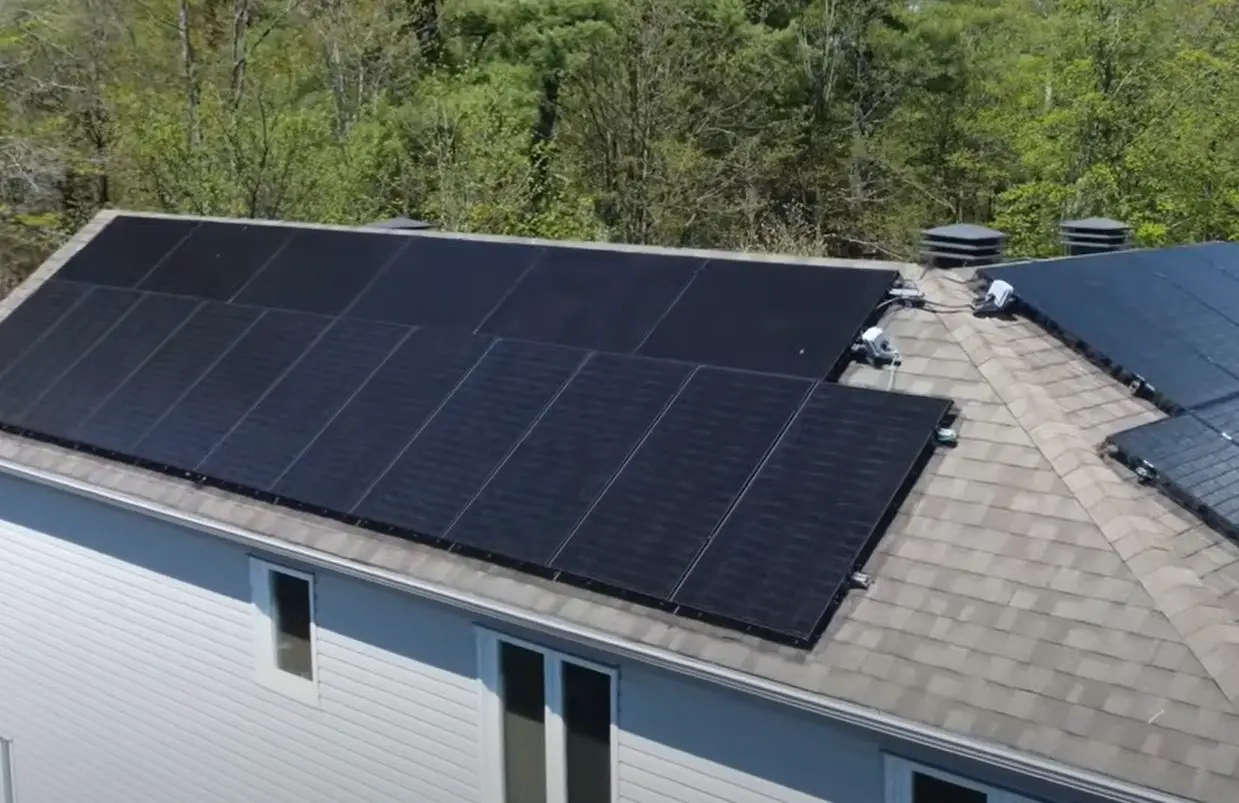
Most residential solar panels weigh between **40 and 50 pounds** each, with standard sizes around 65 inches by 39 inches (roughly 5.5 feet by 3.25 feet). This translates to approximately **2 to 4 pounds per square foot** of roof surface covered, depending on panel dimensions and mounting hardware.
A typical 6-kilowatt system, which might include 20 to 24 panels, adds roughly **800 to 1,200 pounds** distributed across the roof.
{.alignnone}
## Mounting Hardware and Additional Weight
Besides the panels themselves, mounting racks, rails, and fasteners add weight, usually between **1 to 3 pounds per square foot** depending on system design.
While these components increase the overall load, their weight is generally well within the limits of standard residential roofs when properly distributed.
## How Roof Load Capacity Is Evaluated
Structural engineers or qualified solar installers assess your roof’s capacity by examining:
– **Roof framing materials:** Wood rafters, trusses, and decking thickness.
– **Current roof load:** Including shingles, tiles, snow, and wind loads.
– **Building codes and standards:** Local regulations dictate required load safety margins.
– **Age and condition:** Older roofs or those with damage may need reinforcement.
This evaluation ensures the roof can safely support the added solar system weight with an adequate safety factor.
## Why Weight Matters
Exceeding a roof’s load capacity can lead to structural damage, sagging, or failure. Even if the panels themselves are relatively light, poor distribution or weak framing can cause issues over time.
Conversely, solar panels often weigh less than traditional roofing materials like concrete tiles, so in some cases, switching to solar with metal roofing can actually reduce roof load.
## Preparing Your Roof for Solar
If assessments show your roof needs strengthening, options include:
– Adding additional framing supports.
– Replacing compromised decking.
– Upgrading to stronger roofing materials.
Planning and addressing these needs before installation ensures safety and peace of mind.
## Modest Amount Of Weight
Solar panels add a modest amount of weight to your roof—usually between 3 and 7 pounds per square foot including mounting gear. Most modern homes are built to accommodate these loads, but verifying structural integrity is essential.
Consult professionals early to assess your roof and avoid surprises. Proper preparation ensures your solar investment is safe, durable, and effective.
For more on solar and roofing integration, see our article on [how to prepare your roof for solar installation](https://www.roofingchildsplay.com/how-to-prepare-your-roof-for-solar-installation/).
